Sunday, March 04, 2007

Globalization

You can find a very good article about this topic in WIKEPEDIA

Kin Ancuta
Form 12th C

Saturday, December 09, 2006

Calendar

Don't forget to visit the Calendar made by the Slovakian team with the contribution of all teams.

Wednesday, November 08, 2006

Breaking Time and Space Barriers

By Alisia Muresan, 12th C

Borderline...the wall that we built between us, the barrier that separates our minds as well as our bodies, the appearances that we must fight against.
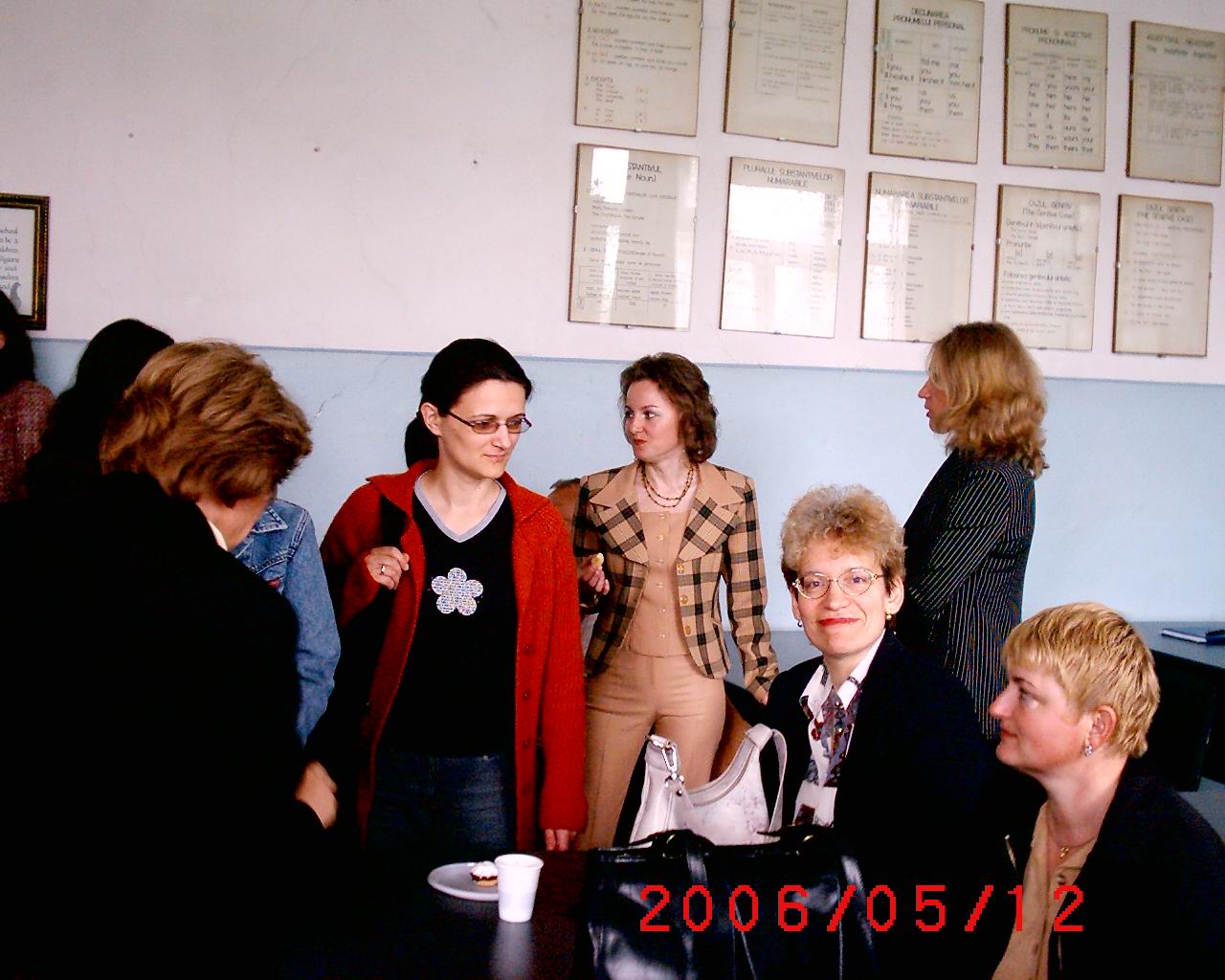
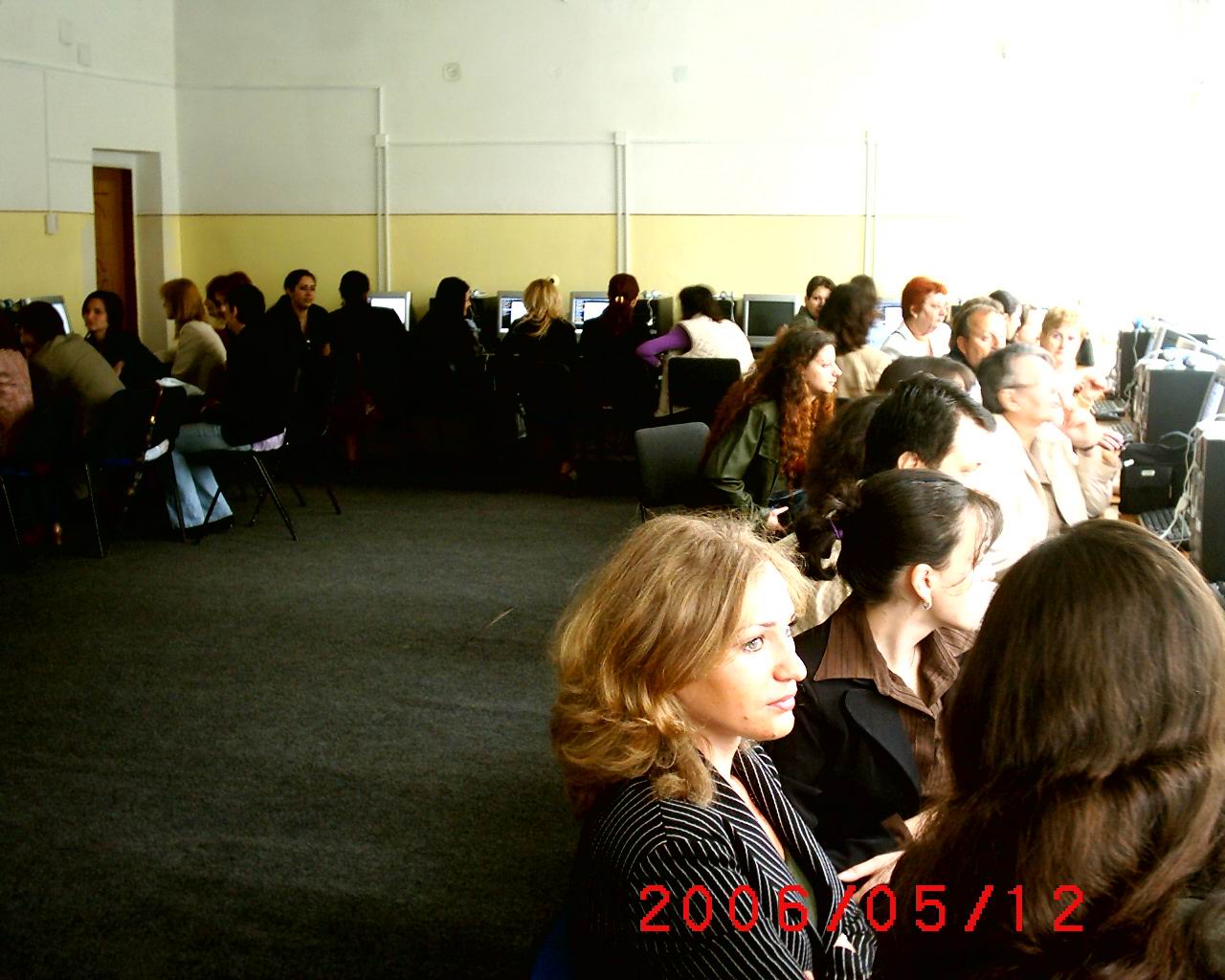
This is what we tried to do during our meeting with our colleagues from the project. After spending a wonderful day in which each team presented its work, our school organised a trip that, by taking us back in history helped us better understand the realities that we face today; a trip that showed our integrity as Romanians and our true character as humans.
It was also important due to the fact that we travelled along our border with Ukraine, and this way we had the possibility to observe how the people that live near borders get along and how this situation evolved in time, because our borders are not the same as were years ago.
We first visited what used to be the house of a historical personality from our county, Vasile Lucaciu. Known as “the lion of Sisesti”, he was a famous fighter for the rights of the Romanians from Transylvania. The ensemble that we visited includes: the parochial house, the school and The Church of the Saint Union of All the Romanians. Lucaciu was one of the fearless leaders of the Transylvanian fight for emancipation and he was one of the people who wrote the “Memorandum”, which contained historical arguments, the motives that stood as a base for the Romanians desire: not to annex Transylvania to Hungary.
After this, we had the chance to visit the famous wooden Church from Surdesti. It dates back to 1721 and it is remarkable due to the tower’s impressive dimensions. This church is known as the highest construction of wood from the whole world, the tower measuring 54 m. The beauty of the place is increased by the marvellous interior that has paintings with scenes from the Bible.
The Museum of Ethnography and The Village Museum are important sights for any Romanian. And especially we, the people from Maramures, have a lot to be proud of when we speak about The Village Museum from Sighetu Marmatiei.
At the entrance of this museum we are „welcomed” by the symbol-monument of central Europe, the point where the 0 kilometre is marked.
The Museum is composed of peasant architectural monuments, houses and churches, arranged in a village that reconstitutes the way that these peasants lived and were organized. This place creates such a strong impression of reality, which I confess that I sometimes felt like I have barely got out from a time machine that took me back in time, to those ages.
Of great importance are also the Gates from Maramures, which, for Europe, made a considerable contribution to enriching the cultural treasure of our ancient continent. This Gates separate the sacred space of the house and its surroundings from the outside space, representing the pride of the peasant as an inhabitant of Maramures.
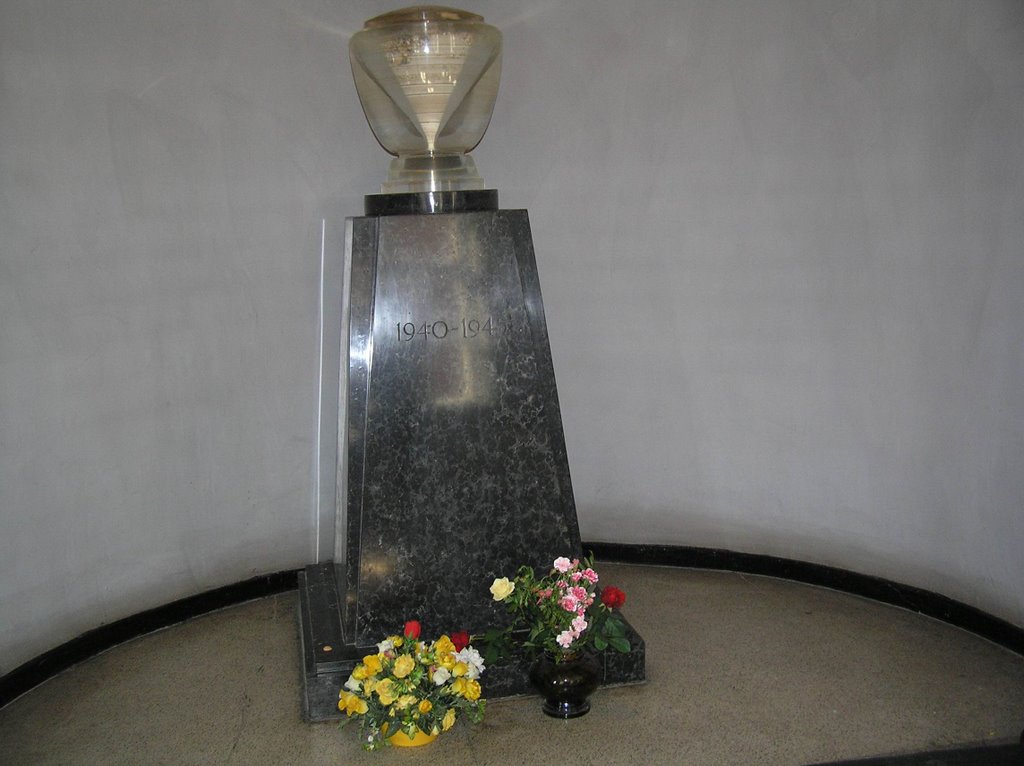
What we visited next is also what impressed me the most: the Memorial from Sighetu Marmatiei, and some famous words that I read there will always remain in my memory:”He, who forgets the past, is condemned to repeat it” (Santayana) and “When justice does not succeed in becoming a form of memory, memory alone CAN be a form of justice”(Ana Blandiana). These words impressed me even more after I found out the history that they refer to.
Placed in the former "Prison of the Ministers" in Sighet, the MEMORIAL of the Victims of Communism and anticommunist Resistance was opened in 1997 in the town of Sighetu Marmatiei ("Sighet") located in the far North West, in the beautiful
Maramures region.
The prison, which was active from 1897 until 1977, takes its name from the period during the 1950s when it held many political prisoners (former government ministers, generals, academicians, and religious leaders - the cultural and political elite of Romania) in terrible conditions - brought here because it was thought to be particularly secure since the town was just 2km from the Soviet frontier. 180 prisoners were held in terrible conditions in 72 cells. Many were elderly but this didn't save them from beatings and punishment so it is no surprise that many died. These included one of the most respected pre-war politicians.
The Memorial Sighet was established as a reminder of the atrocities committed by the communist regime - for years the population has been brain-washed to create the so-called "New Man" through the rewriting of history and poisoning the memories of generations. Moral and civic values could only be recovered if the collective consciousness is recuperated. The Sighet prison was chosen because it was the first of many political prisons set up in Stalinist times and because it was where the country's political, spiritual and cultural elite of the pre-war democracy was exterminated.
An International Study Centre was established here because out of all of the former communist countries, Romania's experience had been the longest and most painful.

Wednesday, October 04, 2006

Project Meeting in Baia Mare

A new project meeting will bring together in Baia Mare the partners in Borderline project.
They will be 10 teachers accompanied by:
Italy: two girls
Liechtenstein: two girls
Slovakia: two boys
Vaslui Ro: two girls

Total: 8 girls and 2 boys.

They will be hosted by:

Andra Sas
Florina Fanea
Diana Rusu
Andreea Bindea
Dana Câmpean
Karla Popp
Alexandra Mureşan
Arthur Vişovan
Alin Şuteu

Wednesday, May 24, 2006

10 reasons to visit Romania


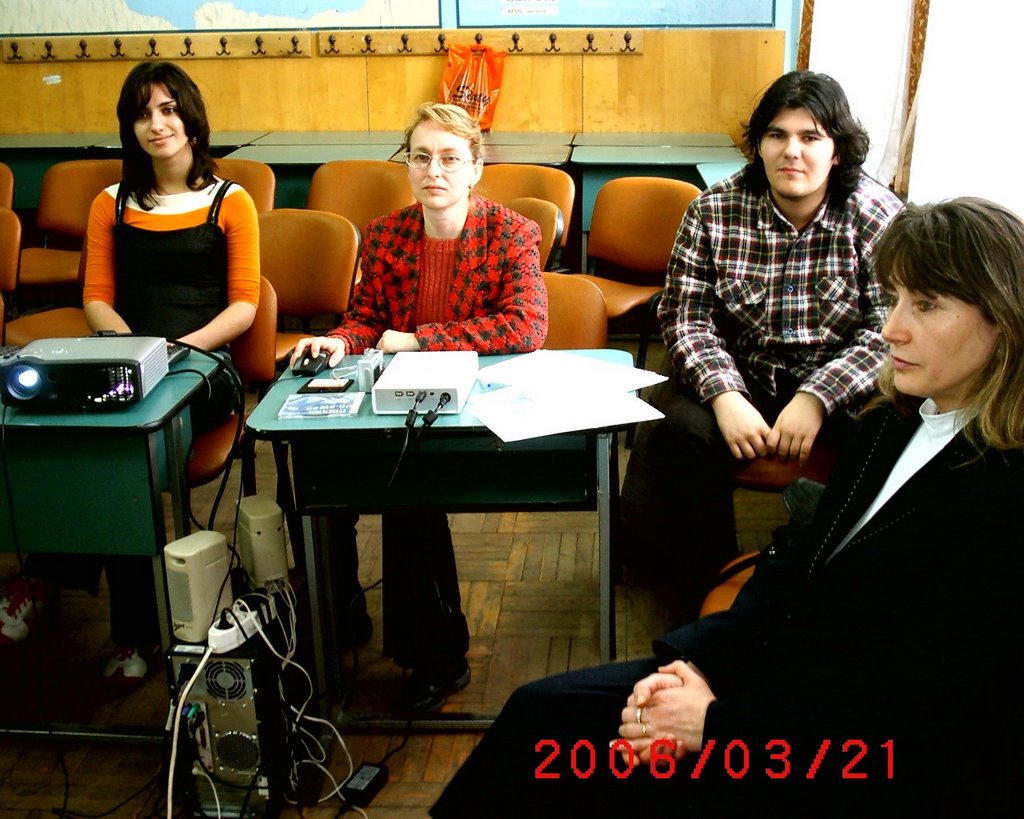
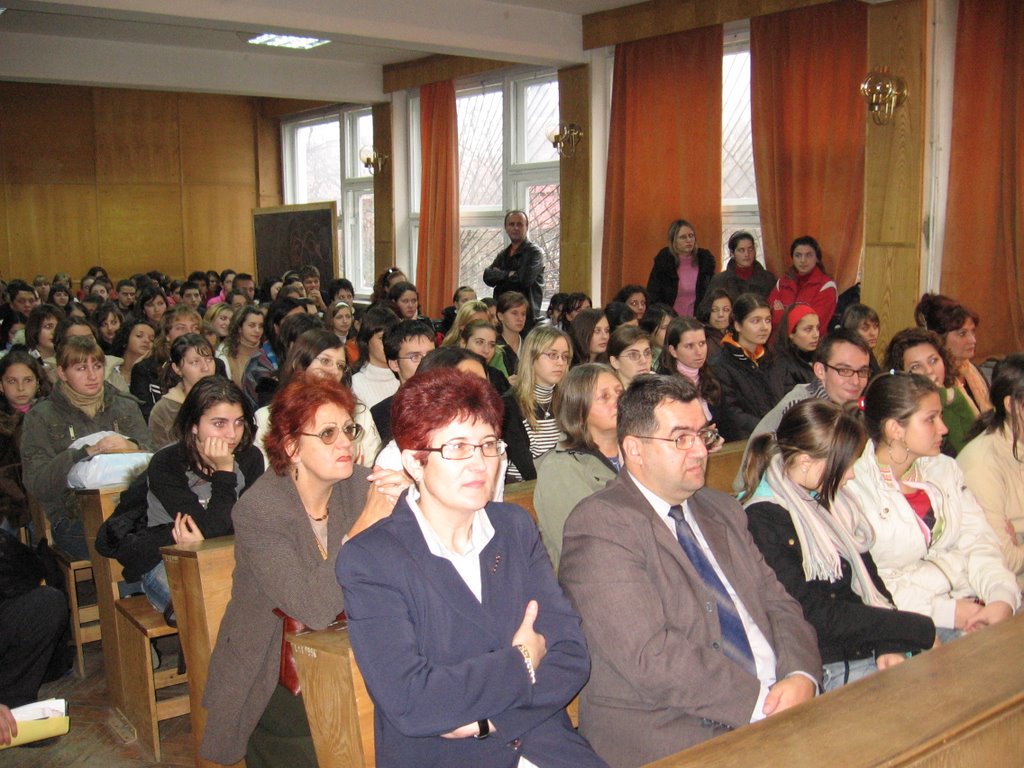
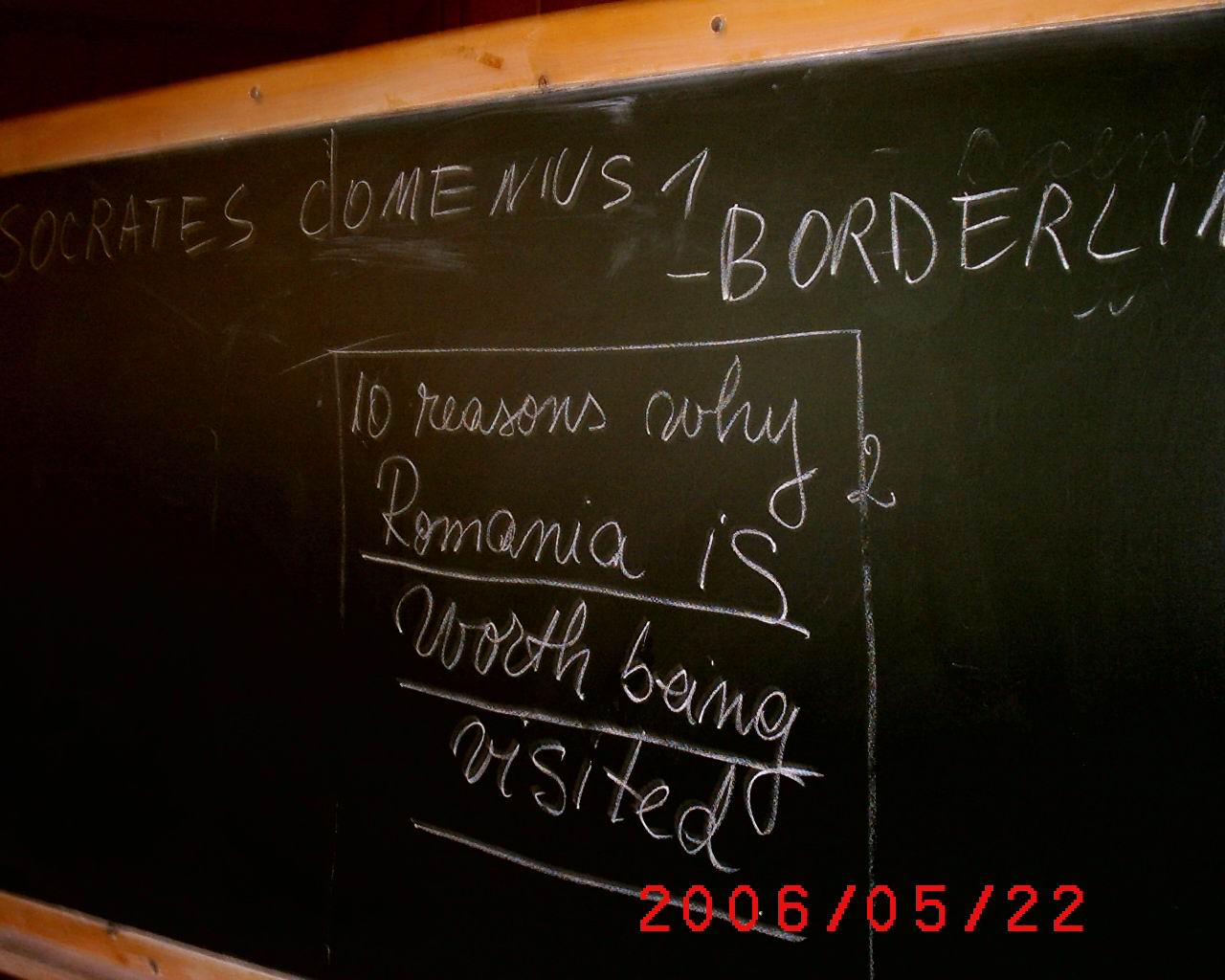
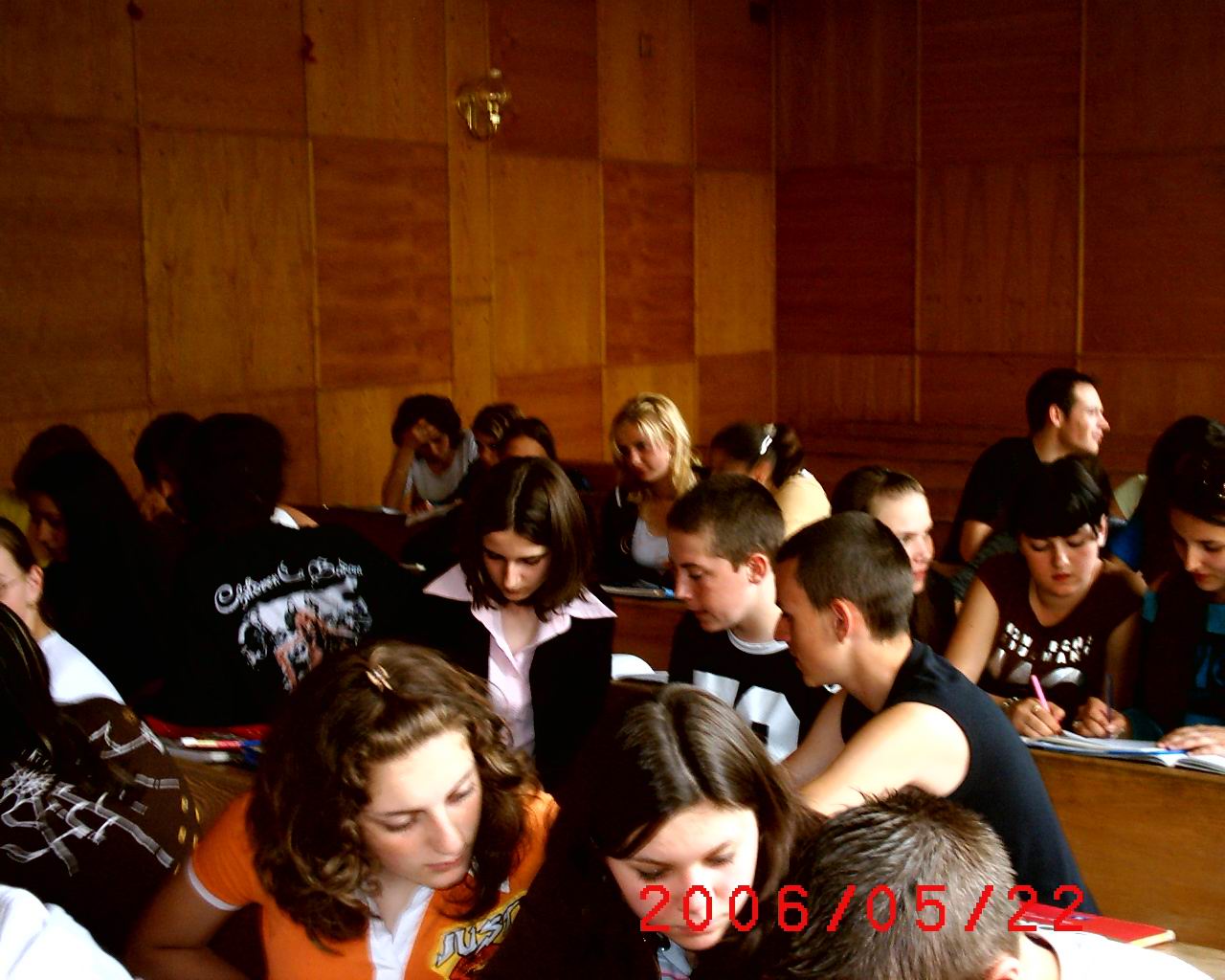
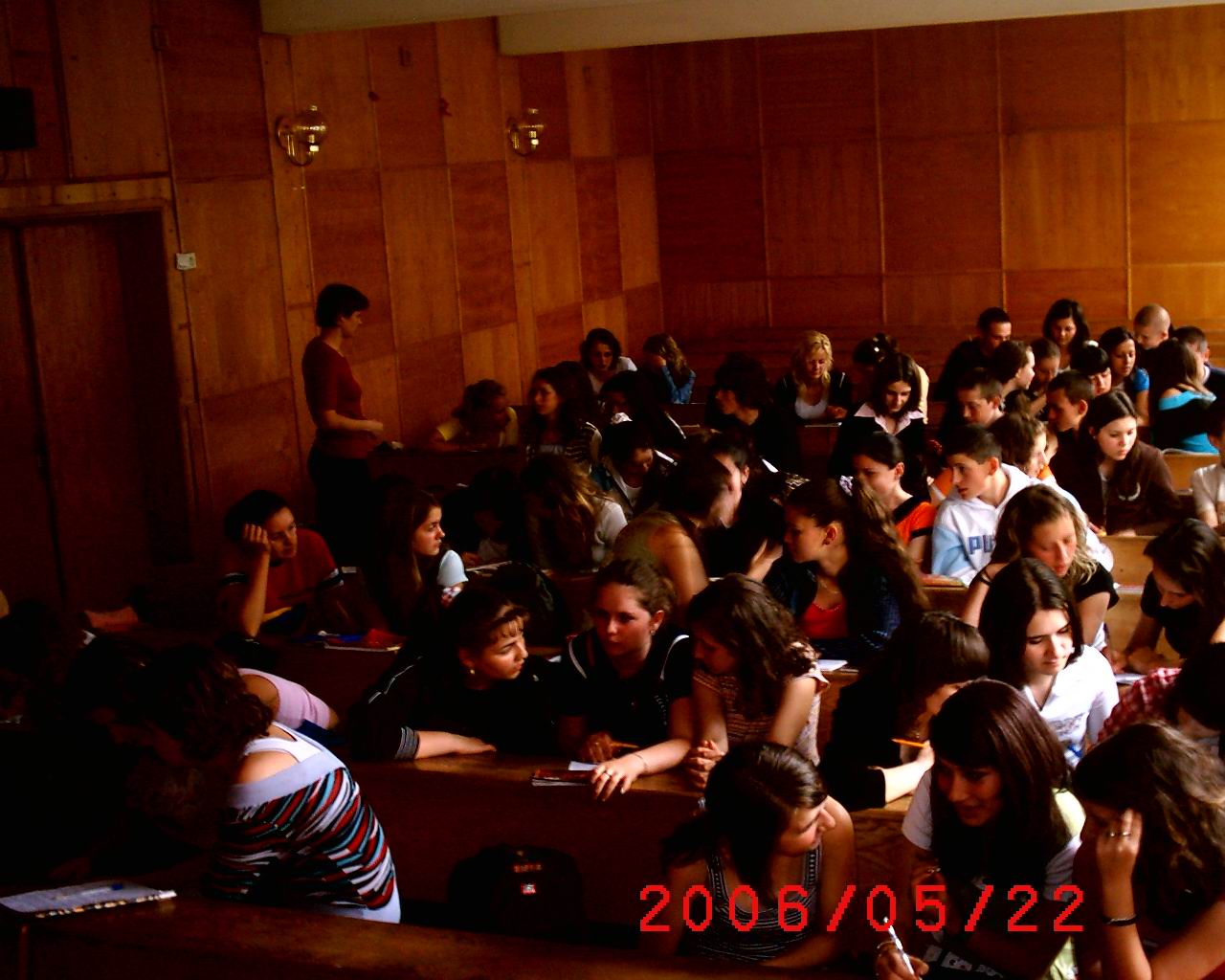
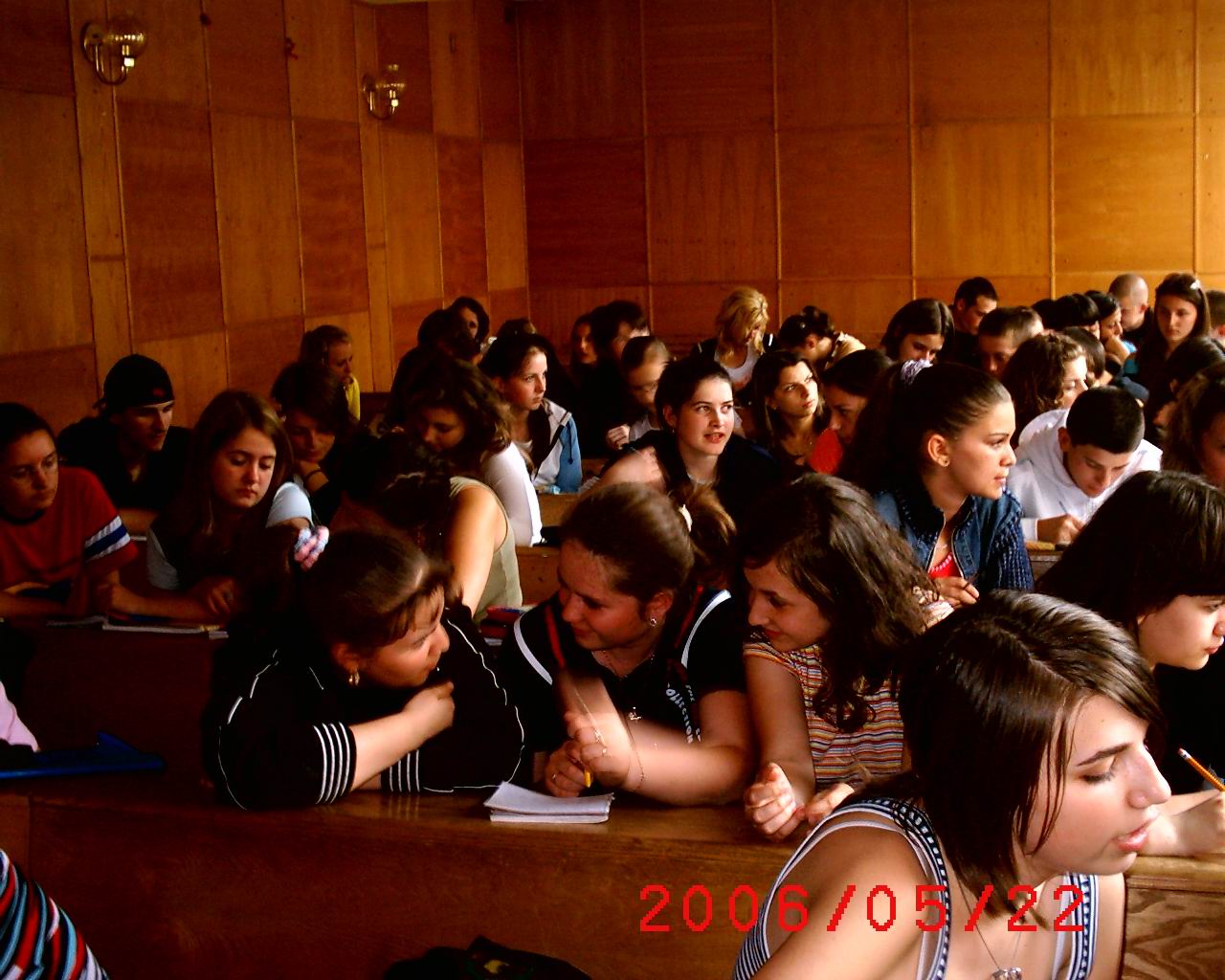
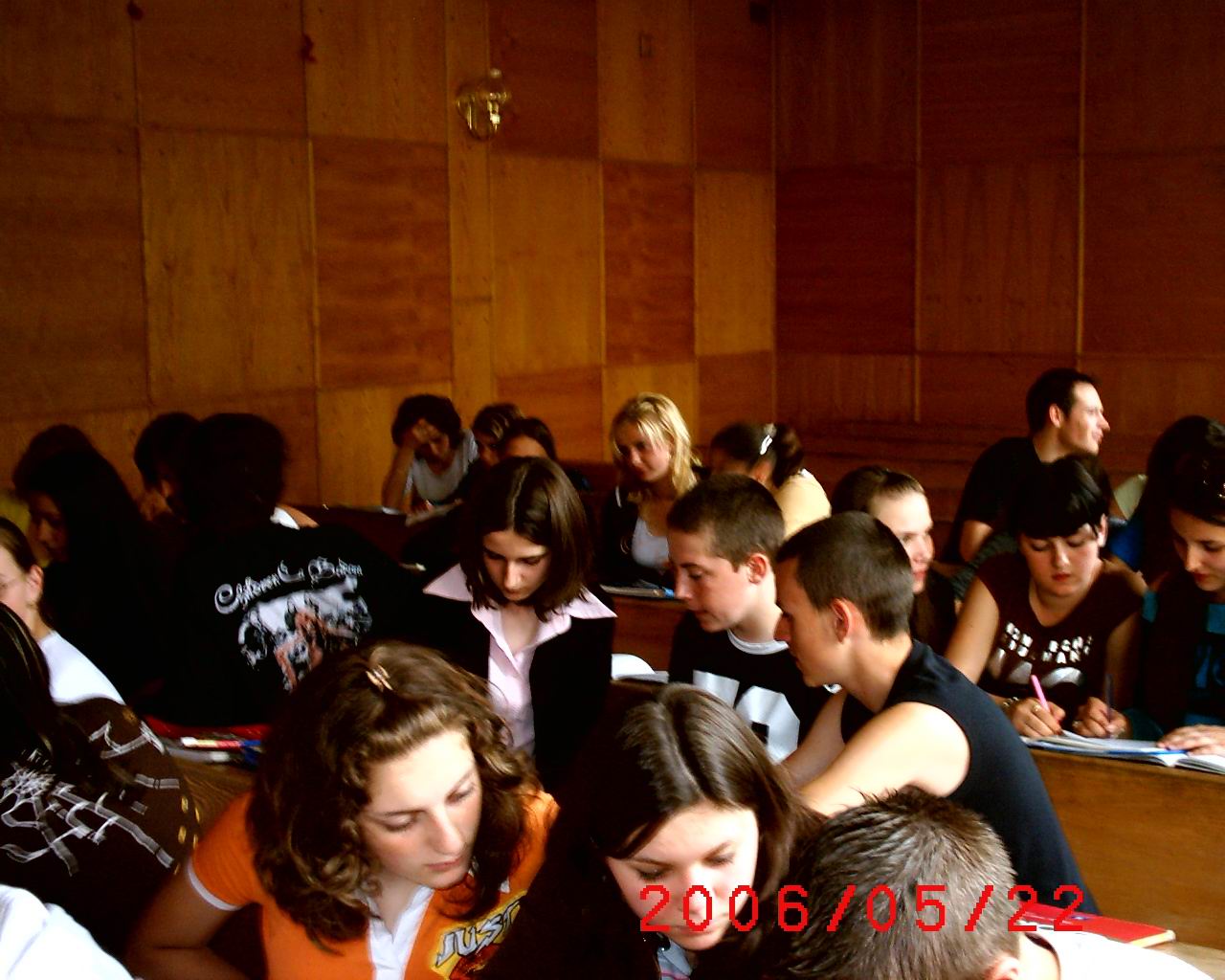
On May 22nd 64 students from the 9th forms had been invited to give 10 reasons why Romania is worth being visited.
This was a project activity for Borderline.

Dissemination


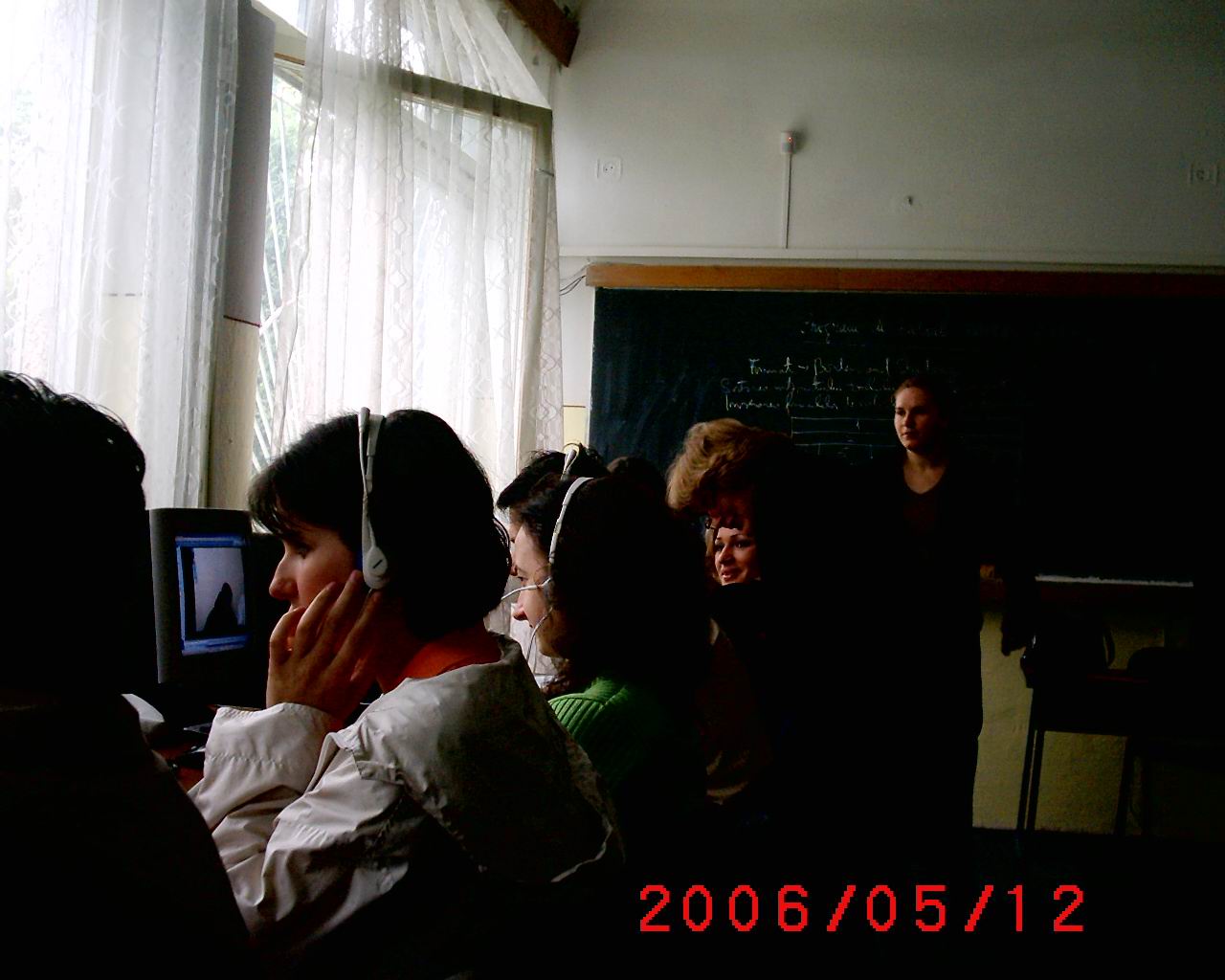
On Saturday 20th the project was presented to 42 teachers of English from Maramures.

Sunday, May 21, 2006

Interview - AXA TV


This week Alexandra invited Andrada , Alin and me to give an interview about the project reunion from Poland.
The interview was presented on Friday evening and Sunday afternoon at AXA TV.
I referred to the importance of these international meetings for building a common Europe while Andrada and Alin referred to the things that impressed them most in Poland:
the people’s wonderful hospitality, the way the hosting families tried to make them feel at home.
They spoke about the friendly atmosphere among all the participants.
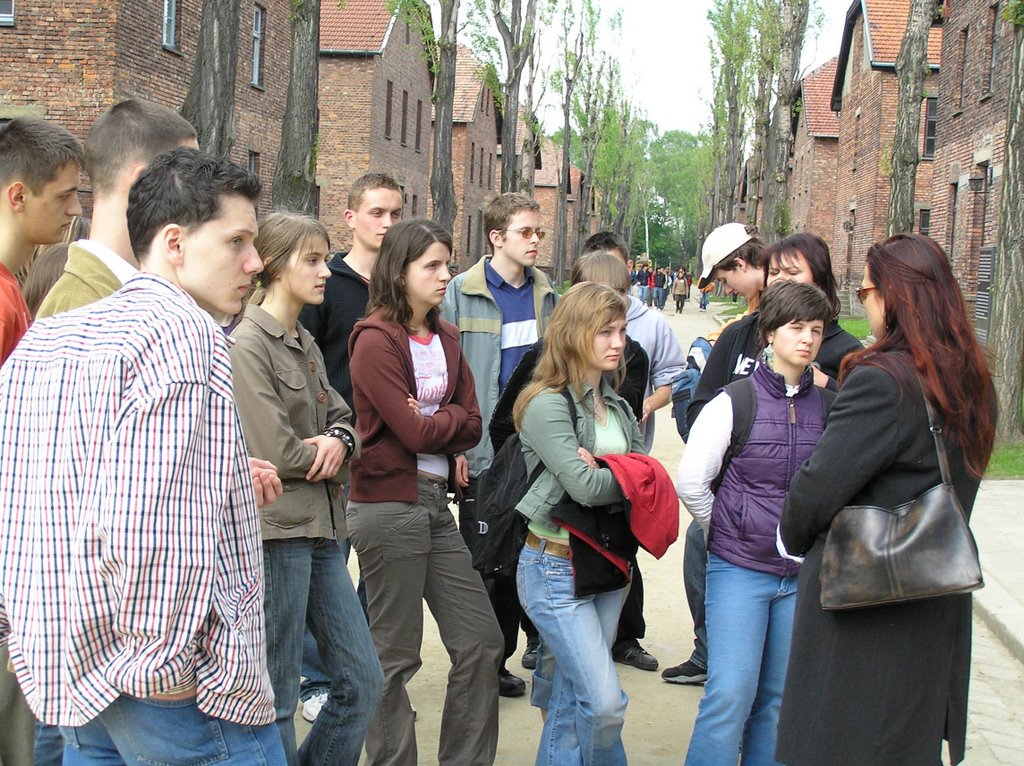
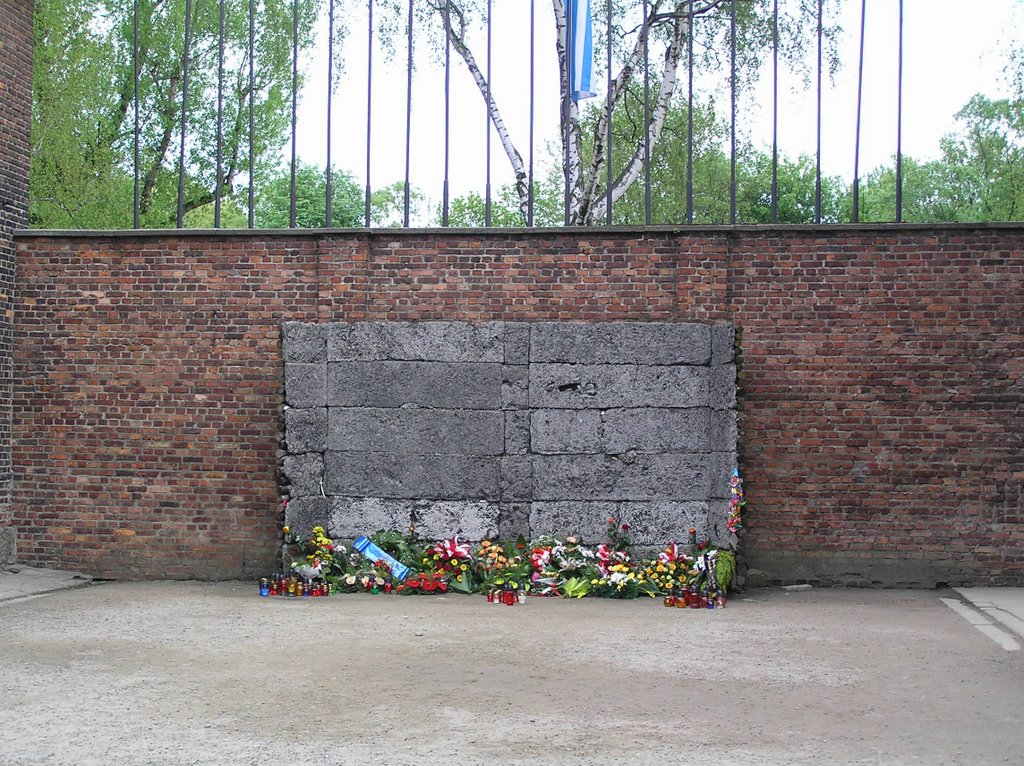
They also referred to the most impressive visit in Poland, that from Auschwitz. Alin mentioned that this visit had fully impressed him and made him think of several questions without an answer: Why? What for?

Saturday, April 29, 2006

Marian Ilea - Vacek

The prose writer and contemporary dramatist, Marian Ilea, who was awarded numerous national and international, literary prises, published (among many other books), a trilogy which contains Gravimeter, The House of Gorki Market and Vacek.

The central idea promoted in this trilogy is that of transfrontier between social spheres, cultures, and ethnics. This is introducing the idea of borderline, between the characters, what they are and what they want to be.
In the same time, it is revealed the cult of shame/guilt.

The trilogy is structured in two sections. At first the story is narrated in a classic form, in a burlesque way and finally, using the “balzacian” pattern. The trilogy contains dramas, inspired from “Realia and Utopia” areas. It is achieved through meditation. The author explores the paradox, providing an appearance of normality.

By analysing the setting of the novel, we can notice in its development different places. This way, Medio Monte becomes an “axis mundi”, around which the characters gravitate in an inevitable way. At first they experience different states from calmness and tranquilli to that of machinery characteristic to all the inhabitants.
The faun seems to be contaminated by a germ of intimations, send out by the town Council. Denouncing has a sotheriologycal function, just like a purgatory, which allows the envy, the abnormality or the obscure, to insert entirety.
One of the lait-motives of this trilogy is represented by a vision, from dream-weak up status, of its own burial, to the author’s opinion about the voice of community, (the cult of shame) in this situation.
The narrative plans appropriated to this trilogy are separated in three plans, alternative, parallel and, even in some cases, over loped.
As to chronology, it follows a linear trajectory, with many regressions, all this in a blend of reality…, fiction and dream, in which they aren’t elucidated the metafictional fragments.
Medio Monte becomes the main character, built up on an archetypical manner, situated “at the middle of Good and Evil”. It embodied the premonition, (animal diseases, lost minded miners, who get out, or not from the mine-exploitation).

Vacek Syrovy, the chief policeman, from Medio Monte, is one of those, who have hallucinations, related to an Idea. Along the story, we can notice that the chief policeman seems to be deeply inflexible, when searching the source of all the evils, which had happened in Medio Monte. He thinks that bishop Joseph Kollowitch, is behind all the delinquencies and crimes that took place in Medio Monte.
By reading the book, we can find out “Bakeries with an aspect of latrines […] Merchandises are fully covered with ledges”, all this representing images that really reach an apocalyptic level, that have the role of destroying the Medio Monte natural paradise. In this way, the statues of the market, this attributes is due to the invasion of the Galatians and the Albanians, all protected by Felicia Gruntag, colonel Rady`s widow.

“Vacek” represents an agony book. It` s the agony of an imaginary, well hold up, by the writer. The characters are reporting, themselves to the Great Mechanism, just as to a great religion. One of these characters will die, another one will escape from being marginalized, going by train to Brno. Hereby “Vacek” is a frothy book, irrational and hilarious sometimes, producing a carnival “topos”, where beneath the surface, it can be noticed a large series of funny, tragic-comic situation, and the surface structure of the text, on a second thoughts, is defined by bizarre situations, a-typically, un-centrated epic contexts.
This book can be easily described, according to the obvious paradox, in each manifestation of the genuine human being.

Costin Alexandru - Daniel, XI G
Sunday, April 02, 2006

Press Release


Sambata, 1 aprilie 2006, Colegiul National Mihai Eminescu din Baia Mare a gazduit o noua activitate in cadrul proiectului Socrates Comenius 1 – Frontiere.
Au participat elevi ai Colegiului Eminescu precum si prof. Ligia Durus , inspector cu programele europene de la ISJ Maramures, Ileana Vasilescu, profesoara de geografie, Ramona Bencze, specialista in domeniul TIC.
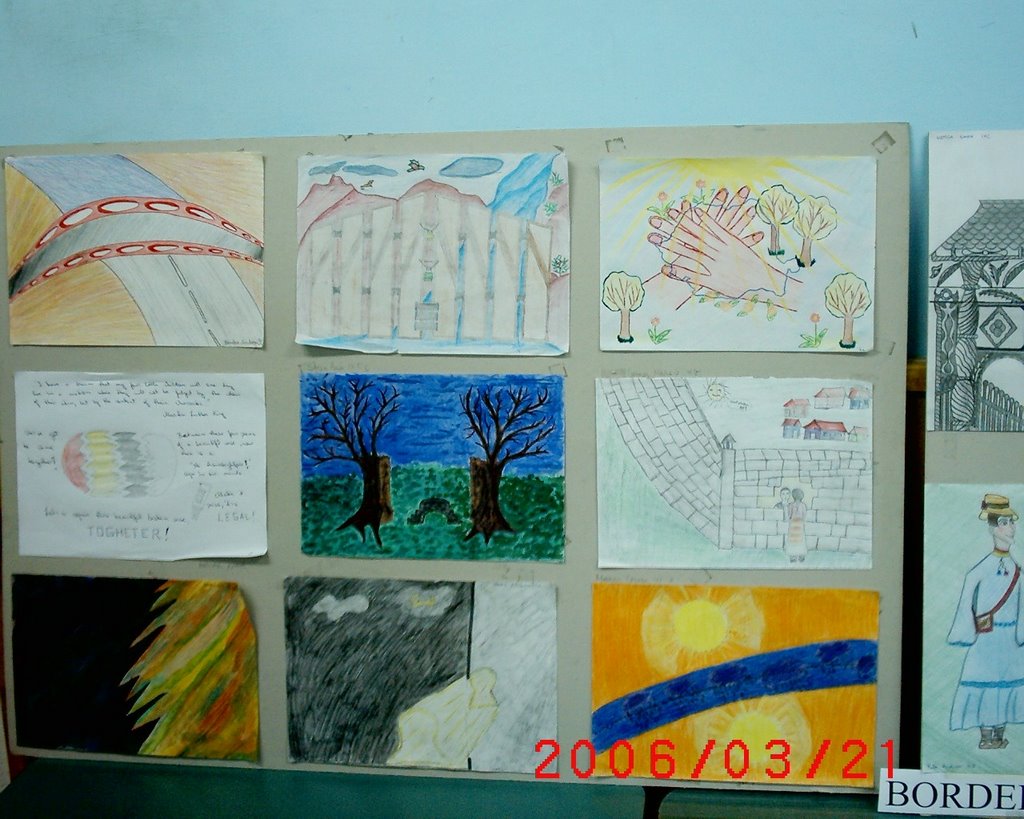
Cu acest prilej a fost vernisata expozitia « Frontiere » in care au fost prezentate desene realizate de elevii Ana Susca, Magyar Kinga, Carmen Marosan, Victorita Cureu, Catalin Motoc, Oana Motica, Romana Maxim, Daniela Ciurdas, Diana Jecan, Georgiana Gogea, coordonati de catre profesoara de desen Cristina Rettegi.
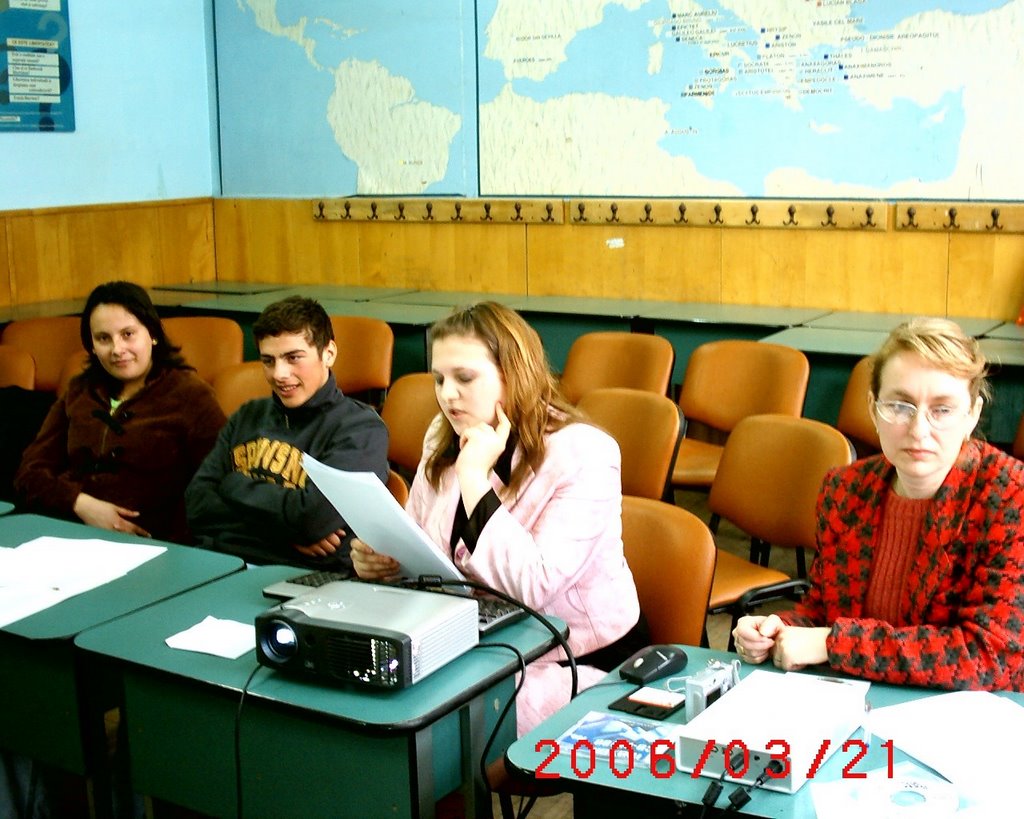
In partea a doua a intalnirii a avut loc competitia pentru desemnarea celor doi reprezentanti ai Colegiului Eminescu la reuniunea de proiect din Polonia ( 9-14 mai 2006).
Candidatii au realizat prezentari PowerPoint cu temele Romania si Scriitori de frontiera.
Juriul a fost alcatuit din elevii participanti la reuniune.
Castigatorii desemnati au fost elevii Andrada Sas din clasa a X-a E si Alin Suteu din clasa a XI-E.
Cei doi elevi, insotiti de coordonatoarea proiectului, prof. Mariana Gabriela Hudrea, se vor intalni in Polonia cu echipele de la cele 6 licee partenere:

1.
Liceo Scientifico Statale“Galileo Galilei”, Belluno, Italia- institutie coordonatoare
2.
Liceum Ogólnokształcące,Tarnów, Polonia
3.
Gymnasium, Vaduz, Fürstentum Liechtenstein
4. Liceul Teoretic "Mihail Kogalniceanu", Vaslui, Romania
5.
Lycée du Granier, La Ravoire, Franta
6.
Gymnazium Galejova, Kosice, Slovacia

Saturday, March 18, 2006

Project Dissemination

On March 22nd Mr. Marius Pavel from Club Tv Baia Mare invited me to speak about the importance of the study of foreign languages in Europe.
It was a great opportunity to explain how the e-group and the blog help my students improve their skills and competencies in English.
I also mentioned the visit to France and the way I encouraged the French students to learn foreign languages as the new Europe needs people mastering two foreign languages, at least.
Mariana Hudrea
On March 17th I participated in a talk show at AXA TV.
I was accompanied by Carmen Busecan from 11th E and Alin Suteu from 11th G.
The moderators were Anda Negrus and Cristina.
We refered to our project and to the impact of the project upon the students and upon the teachers from Mihai Eminescu College.
Mariana Hudrea
---------------------------------
January 10th
Dissemination
January 10th , 2006
TL Plus Baia Mare
Program : The Learning City

Moderator : Corina Sandor
Guest : Mariana Hudrea, teacher of English, coordinator if international projects and director, SC Info Project SRL.
www.infoproject.nvn.ro
Topic: European Projects (conditions pf participation, benefits) , the importance of the study of foreign languages in a common Europe

January and February are two months in which the coordinators of European projects are very busy as February 1st is the deadline for Comenius projects and March 1st is the deadline for Grundtvig projects.
R: What kind of projects are being made and which are the benefits?
01:31- This program could be an invitation for teachers to submit project proposals
The structure of the European projects: Socrates (Comenius, Grundtvig ,etc.) , Leonardo da Vinci and Youth.
Comenius projects are dedicated to pre-university education while Grundtvig projects are dedicated to adult education.
04:02 - Presentation of the project Borderline-
http://borderlin-com1.blogspot.com and http://cnme-borderline.blogspot.com
04:27 –R: How can the European programs be accessed? Why are there schools without projects?
05:16 – Benefits?
The opportunity to present your own country abroad.
The opportunity to improve the image of your country abroad.
The possibility of traveling abroad and learning things and discovering new countries.
06:00 – Description of the project Comenius Borderline; partners’ description; project reunion in France, November 2005.
Benefits for the school: the director had the opportunity to visit a modern school in France. He saw the Documentary Center, the organization of the school.
Another benefit is the teamwork.
08:00 – All the partners come to better know their own countries and the partner countries.
10:10 – The us of the Blog as a didactic tool- the possibility of publishing the students’ essays on the Internet.
Language of communication: English.
10:58 – The promotion of the study of foreign languages in Europe: the European citizens must learn foreign languages. The citizens from Eastern European countries speak very well several European languages.
11:45- In a common Europe we have to communicate among us
12:15 – I advised the French students to learn several foreign languages.
12:40 – Presentation of the project TIC-TAC (
http://g2project.blogspot.com), language of communication: French. Cooperation with CJAPP and AJOFM. The aim of the project is to study how ICT can help unemployed people to find a job.
13:20 – Ioana Pop will participate at the project meeting from Rome.
14:05- Project meeting in Cherbourg. TIC TAC G2 project.
14:17- preparations for the project meeting from Italy.
So far we have elaborated a study addressed to people searching for a job to see if they use computers for finding a job.
Partners in the project are CJAPP and AJOFM.
15:35- There will be promoted a course for unemployed people in the second year of the project.
16:10 Grundtvig 1-ITEM- This project has a solid practical aspect as we are involved in producing an online course for ICT specialists.
Following the study developed in 2004- 2005 regarding the level of English as a communication tool we have discovered that the ICT specialists need such a course to improve their communicative skills in English.
Daniela Buda and Claudia Lupoian are collaborators in this project.
How are the collaborators selected? According to their wish to dedicate time to a new experience.
The partners come from Bulgaria, Hungary, Great Britain and the Check Republic.
18:30- The course piloting- May 2006
R:Which is the contribution of GB?
Linguistic expertise.We are sure we will produce a high quality product.
19:25- R: Bulgaria, Hungary and Romania are countries in which English is a foreign language. How is it to produce a an English course?
In these countries there are very good specialists in English, appreciated by the British Council.
20:01- The coordinator is from Hungary.
20:10 – Kate Fazekas is coordinating large teams of specialists in several projects.
20:25- the site of the project is very good.
20:45- The work for G1ITEM helped Daniela in learning how to use AEL program in her school.
21:19- another benefit is the team work

21:28- the description of the school from Ravoire, France and the way money is directed to schools in France . In the last 15 years in France there have been built very modern schools. Both students and teachers are calm and with smiling faces, compare d to Romanian teachers who have financial difficulties.
23-40 – But teachers are dedicated to their profession and they try to do their job.
In the French school the students read everywhere: on the staircase, in study rooms or in the Documentary Centers.
The students have their meals in the canteens together with the school staff. The local authorities sponsor the meals. There is a very well organized self-service system.
R: What didn’t you like in France?
I visited France during the riots in the suburbs. The explanation came that in school with parents belonging to the middle class, with a stable job, there are no problems. But in families of unemployed or in families with problems, the children have problems in their turn.
28:00 – By participating in European projects one learns a lot of things: how to travel, how to manage lost luggage problems, how to adapt to the customs of each country.
22:50 – Smoking is forbidden in all means of transport in France.
The strong relationship between school and family. The parents are strongly involved in the education of their children.
31:50 In Romania there have been created students’ associations. This partnership was active during the teachers’ strike in November 2005.
The message is that the whole society is invited to support school and education.

35:00 Leonardo da Vinci project- Evaluation Tools in Vocational Education.
There is a difference in perception of the term in Romania where the technical education is not included in vocational education while all over Europe it is.
Info Project is a subcontractor in the project having the task of disseminating the project. Last year we elaborated a study on the way the modern evaluation tools are known and to what extent they are used in the schools from Romania.
On the site of the Romanian Ministry of Education there are very good things. In theory the Romanians are very good.
Via the Analysis Study we realized that all the teachers who had participated in training courses are aware of the new tendencies in evaluation, while the others know practically nothing about that.
36:50- The team coordinating the Leo project is the same team that coordinated the G1-ITEM project.
37:00 – we are just involved in dissemination
We will continue the dissemination activities by participating at a new Congress, in Istanbul, organized by Istanbul University. In May 2005 we participated at a Congress in Istanbul where we presented the European projects. The interest was big, as these projects have been recently launched in Turkey.
Will teachers be able to use these new evaluation tools?
The product is being made exactly for this purpose.
What subjects could use such tools?
All subjects.
39:20_ The coordinating institution from Hungary organizes courses of ICT for disabled people, for example. We visited this school in 2003 and we were impressed by it.
This project meets the requirements in modern evaluation today.

40:00- Grundtvig 2 projects- The history of the project at the School of Arts from Baia Mare, a follow up of a previous G2 project. The same thing happened with Patre Dulfu County Library from Baia Mare which is also involve d in a G2 project as a continuation of the previous G2 project coordinated by us: “Active involvement in Nationl and European projects of retired or newly retired people”.
43:25_ Esperando Association, as association for disabled people also benefited of consultancy from Info Project.
43:35: we offer consultancy for European projects to all the people interested.
44:14- R: How can be written good projects?
44:28 - The secret is to speak foreign languages and to use the computer as a communication tool.
45:44 – These projects are not only for teachers of foreign languages. A good example is the European Schoolnet where one can see projects developed by teachers of Math, Physics, and Chemistry. I had been involved in an evaluation team for E-Awards and I noticed that there are many Romanian teachers of different subjects involved in creating websites.
47:28- We organize courses of foreign languages
47:43- There are 3 centers of foreign languages in Baia Mare: ECHO. EDUCONS and INFO PROJECT.
48:08 – Info Project has established a partnership with ECHO for promoting TOEIC and TFI tests.
In cooperation with the French Cultural Center from Cluj Napoca we organize courses of French for people willing to go to Canada.
48:36- Today, the learning of foreign languages is a must.
We do not mean only English. The European citizens must learn French and other European languages.51:00-R: As a conclusion, the Learning City is also learning through projects and foreign languages.

Tuesday, March 14, 2006

Living Along the Borderline

I cannot conceive borders without the concept of tolerance.
Borders mean to me the possibility of meeting new people, new habits, or other ways of life or thinking.
I cannot imagine learning something from borders without tolerance.
I had been living in a border town for 15 years and I met and lived with so many people so different from me.
They are Hungarians (the majority), Ukrainians, and Russians. They all have different life styles but if you respect them you'll see that so many good things can be learnt from them and finally you don't think at all that you are different from them. You don't think that they are "the others".
In my opinion borders mean accepting the others’ life style and taking from it the good aspects and learning from the bad ones. These two concepts, border and tolerance, cannot go one without another.
The other days I had a conversation with my uncle from the USA.
I asked him to buy me a CD with 50 cents and he asked me: "Do you like those music?? I can't believe that! They are like our gipsies!!"...And suddenly I discovered that he is not a tolerant man at all and he should be because "the Negroes" never did anything to him. I believe that he doesn’t know anything about them so he never got through this border. And it's a pity. I am sure that if he had wanted he could have learnt many things from them as I have from our minority groups..
Crossing borders means travelling with your mind all over the world and learning as much as you can. I am proud that I am a tolerant person and that I have crossed borders. This is a very important thing for me and I think it should be for all of us.
Florina Mihali
11th C

Friday, March 10, 2006

A World Without Borders

A society without borderlines

Let's say that we would hear that a country, no one knows where, is going to move its borderline because someone thought that his real place might be 3 kilometers away from that place.
A part of this people who would hear the news would say "...well it is not my business, they know what they are doing…”.
I would say “…it is my problem, it is our problem, because for so much time they put a border between us…”.
In fact, what is a borderline?
Thousands of years ago, in the prehistorically time, people didn’t have borders, they were only human beings fighting to survive.
Now we have to survive but in another world, in a world full of borders.
It is strange how, in a democratic world, we are closed, our liberty is closed.
There is a thing that they didn’t close between the borders.
It is our knowledge, our culture and we can still share it with those minds that are never closed.
Who didn’t think at a utopist world, a world without borderlines and a world where people are equals?
It would be wonderful, but till then no one can take our knowledge and the most important thing, no one can take our dreams.

TRIF COSAN MARIA
11th C FORM

Sunday, March 05, 2006

Meeting a Frontier Writer - Students' feedback

Raluca's feelings

It is said that one person can change your life for ever … and that was the feeling I had a few moments after meeting Mr Marian Ilea –the writer, the most extraordinary human being I’ve met in my entire life.
It is strange how a person (of whose existence you’ve never known before) can influence you that much so as to see life in a different light and also to make you feel free to give your opinion on subjects on which I, honestly did not even dare to reflect. Mr Ilea “freed” my mind and starved, as it was, he started to nourish it… He had a lot of things to share with us but the only problem seemed to be the time even though he did not show to even believe in the existence of time, as a notion, after all.
Our gift- because Mr Ilea was supposed to be a gift (it was more than that!!!!) surprised us all firstly due to his natural and surprisingly normal presence. Through his way of behaving he helped us discover that all writers are in fact tangible presences and why not even humans, and definitely not immortals or any other supernatural existences. Moreover he helped us enter into Romania’s literary society and he also gave us the chance to know it as it is and not how we’ve been told to from our teachers. Now I do know that we, Romanians, have a rich and of high quality literature and that (some of) today’s Romanians writers can actually be very good. In this respect, Mr Ilea’s words made me understand that our generation can do a lot of things in order to help these modern writers. Their works have to be known and advertising is the key!! If we (lucid beings) encourage, through the media, people to read works of high quality and if we show them which is the standard for quality our culture will be saved!!!!!!!!!
So, Mr Ilea, I’m very looking forward to reading your books and not only, and I promise you I’ll do my best to always choose quality and to admire (even if you do not approve) the writers that are worth being admired. Because, you see, despite all that you’ve said the writer remains covered in a heavenly and magical obscurity. Finally, I’ll have to disapprove you, Mr Marian Ilea- the writer, and say that being a writer is more than having a job; and I’ll say this in Romanian too: A fi scriitor e mult mai mult decat o meserie!!! It’s knowledge through which writers like you keep people like us alive!

Raluca Popa
11th C
2. Alexandra

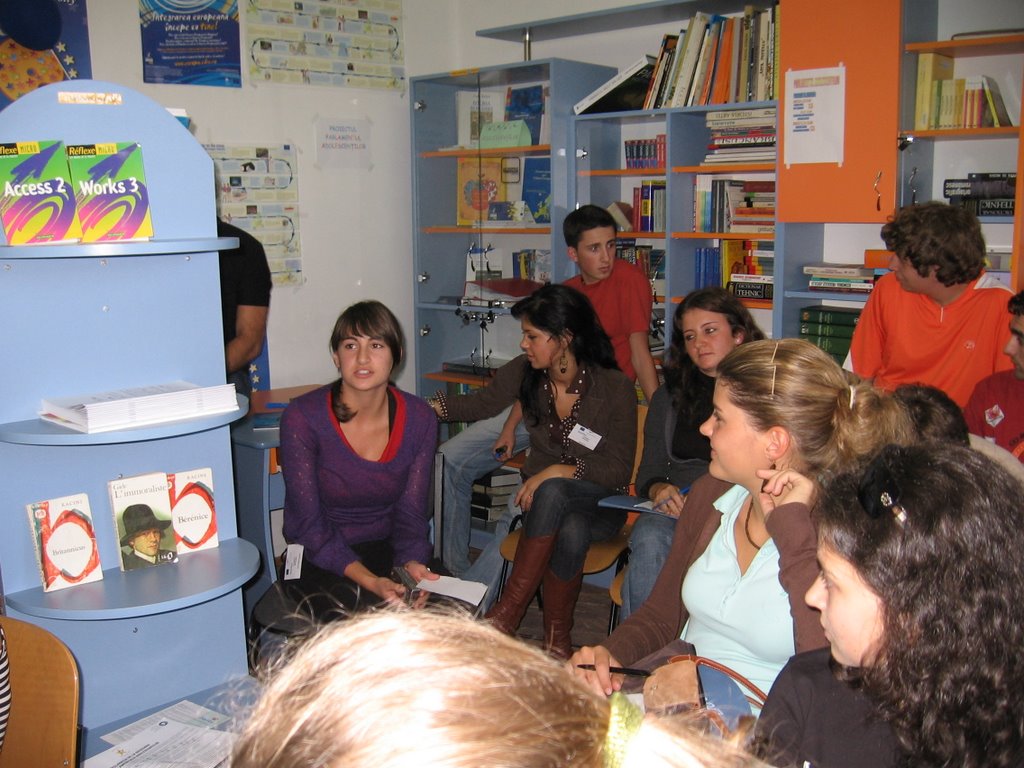
I start by saying that the meeting on Saturday, 04.03.2006 was the best experience of my life. It was my first meeting with a writer.
I was very pleased to meet Mr. Marian Ilea.
I think that I could have stayed and listened to him for hours and hours and I would have wanted more.
I liked very much the way he was talking to us. It is a very open-minded person. Mr. Marian Ilea fascinated me completely, and he raised in me the interest for literature. I was really impressed by the familiar way Mr. Marian Ilea behaved.
I must admit that at first when I found out that a frontier writer was coming I was a little bit nervous, but as soon as I saw him and he started to talk, I was all ears and soon I noticed I wasn’t nervous any longer. I must say that I wanted very much to ask him a question but I was too impressed to think of one. Mr. Marian Ilea made me very curious about his books, especially “Desistea”, and I will certainly read it.
Besides the incredible meeting with Mr. Marian Ilea, the whole meeting on Saturday was great. Mrs. Mariana Hudrea is a great person, and even if I didn’t know her before the meeting, I can say that she is the best teacher. A person who cares for her students. After the meeting I can say that I don’t regret at all that I am involved in this project.
Alexandra Faje
3. Alin
My “borderline” feelings

On the 4th of March 2006 I lived the most unbelievable experience in my life .
It was such a joyful Saturday for me.
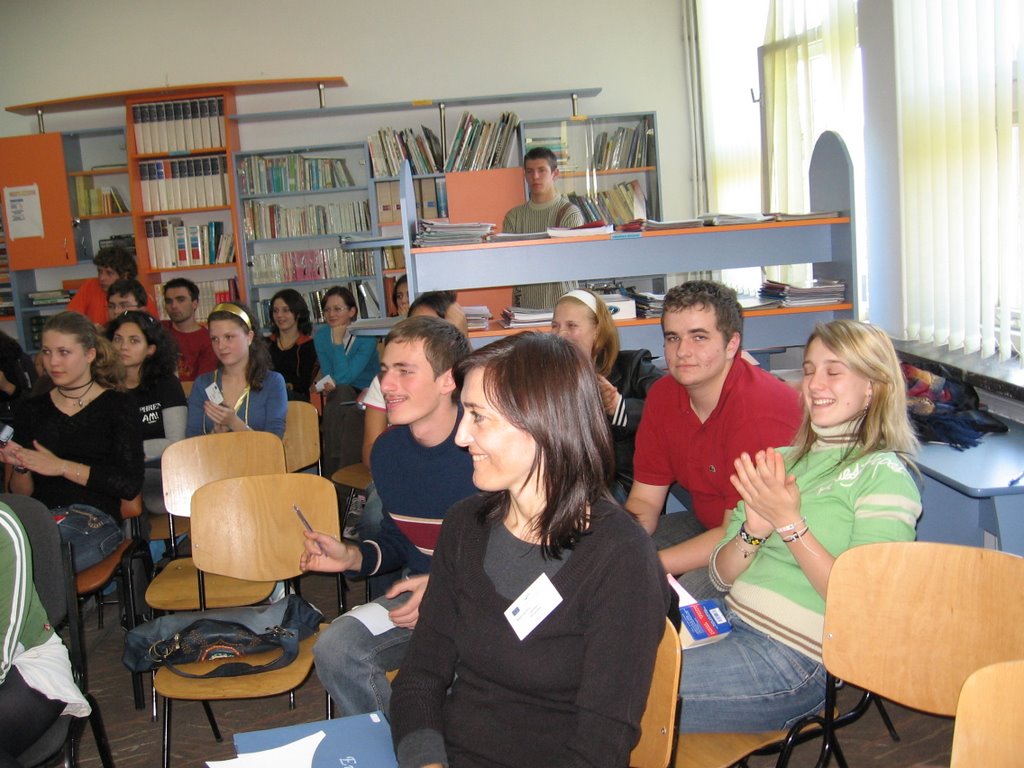
Even if the meeting we had been invited to attend was programmed for only 1 hour, we got out of there after three and a half hours.
And you know why? Because we felt very well together. I could even say that after that meeting we are just like a small family: “the borderline family”.
I like very much my colleagues from the project. Even if we are in the same high school, I didn’t have the chance to really know them, to see how they live, what their feelings are. But after this meeting I felt closer to them.
I live in a beautiful town called Baia Mare with very nice people, and very beautiful places , like the places that are in the whole Maramures county.
This part of Romania has the borderline with another Eastern Europe country, Ukraine. This part of Romania is known in the whole country as a place full of history, full of traditions and with very charming people.
I personally feel proud because I am living in a borderline county. We are very close to our neighbors, the Ukrainians.
Some Ukrainians, living in Romania, are students at Colegiul National “Mihai Eminescu”, Baia Mare, and with this occasion, I had the opportunity to be in contact with them , to see how they feel in Romania , and I also want to know if Ukraine is different from ours and in which way. Most of the people say that if you live in a borderline county you aren’t very familiar with the real world and you are isolated. But those words aren’t true at all. I feel very good in my county, because my friends are here, they help me whenever I want, and in my county the people are very respectful with the strangers, and very warm to them.
So, if some of you, who read this essay will visit my county, you should know that in this part of Europe you will find all you need to fill at home, because you will be surrounded by the Romanians people , a very friendly and good nation.
We will wait for you in Romania, to visit Maramures and it’s surroundings!

Alin Suteu
11 G
4. Mirela
Hello teacher!
I am very pleased by the meeting that occured on Saturday.
I think that the meeting was a great success because you and even the writer Mr Ilea gave to us a "push" in trying to do a better job in this project. I hope that we all will do a great job in presenting Romania to the others.
But still I would like to talk about many things with the students from abroad.
In a few words the meeting was very succesful . I hope that from now on everyone will be motivated to go on with this project. After this meeting I realised that I enlarged my knoledge.

Mirela Campeanu 11E

Thursday, March 02, 2006

Meeting a Frontier Writer

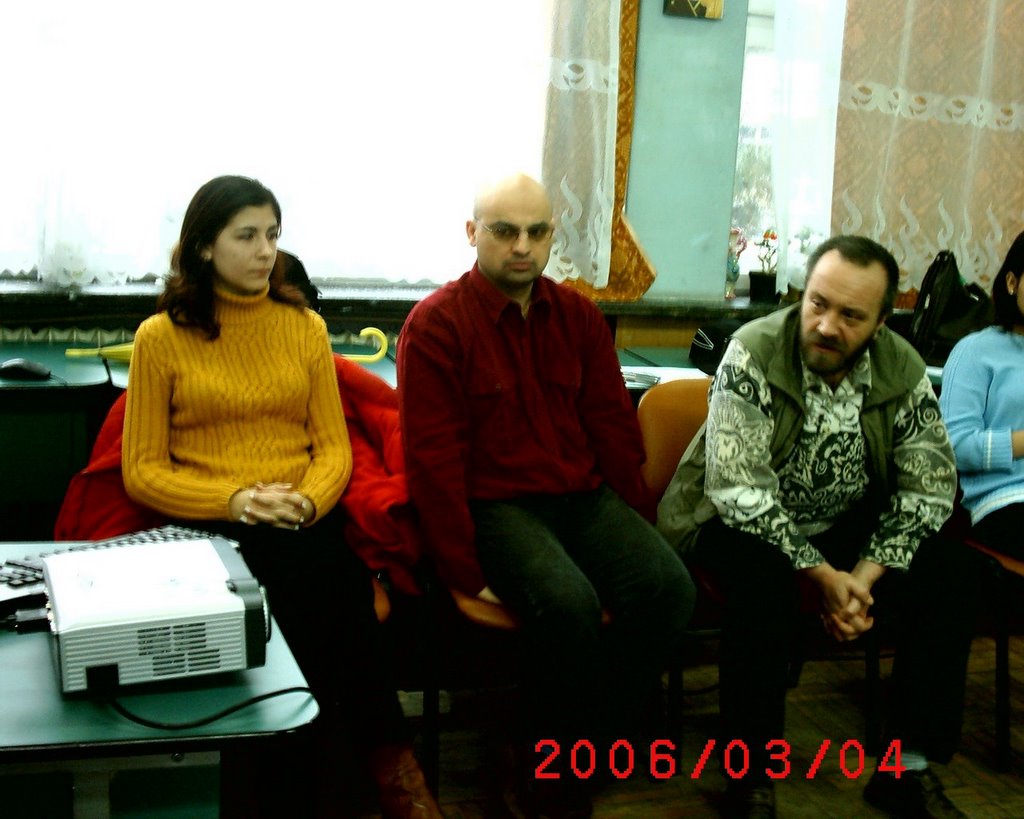
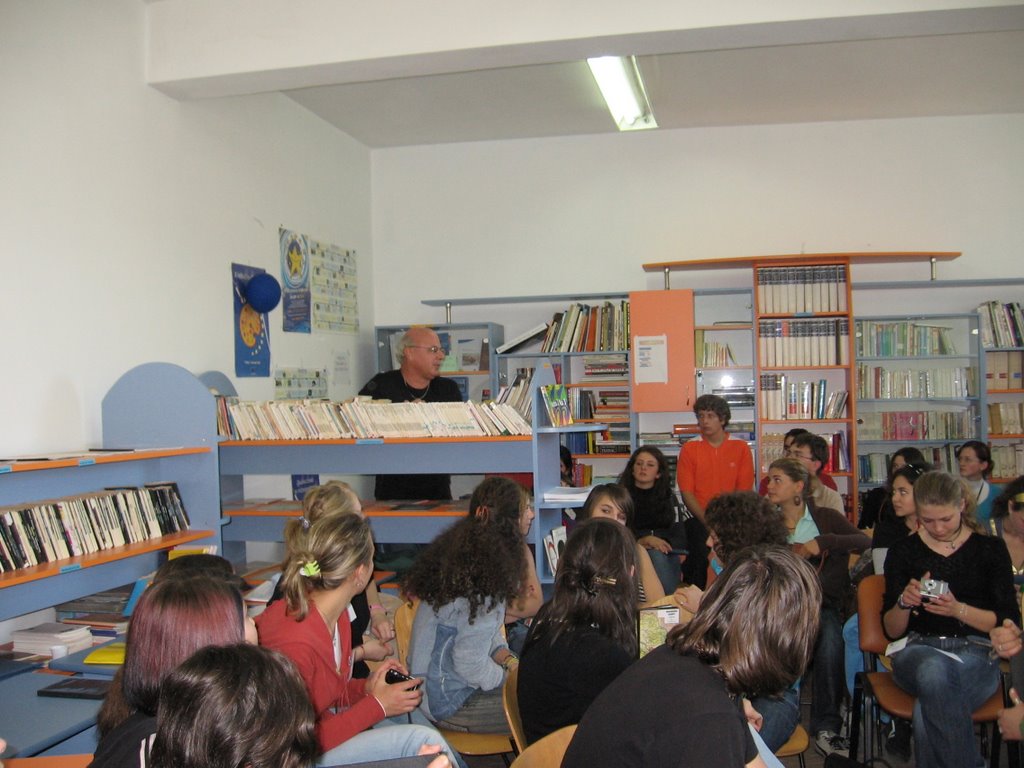
On Saturday we will have with us a very special guest: the writer Marian Ilea, who is member of a transfrontier group of writers.
For this reason the language of communication of this meeting will be Romanian.

Programul întâlnirii din data de 4 martie 2006

Participanţi: elevi si cadre didactice implicaţi in proiectul FRONTIERE
Invitat de onoare: scriitorul
MARIAN ILEA

10:00 Prezentarea tematicii proiectului şi a partenerilor de proiect
10:15 Evaluarea etapelor parcurse materializate în produse ale proiectului
10:30 Intervenţia scriitorului Marian Ilea referitor la tema „Scriitori de frontieră”
11:00 Discuţii
11:30 Propuneri făcute de elevi referitor la pregătirea reuniunii din Polonia


BORDERLINE
(The frontier: a no man’s land, a passage way, bridge and barrier between people, countries, stories)

Frontiera- ţinut al nimănui, o cale de trecere, punte şi barieră intre oameni, ţări, povestiri


Proiectul BORDERLINE este un proiect Socrates Comenius1, finanţat de Comisia Europeană.
Parteneriatul european este format din 7 instituţii de învăţământ din 6 tari.
Liceo Scientifico Statale“Galileo Galilei”, Belluno, Italy- Coordinating institution
2.
Liceum Ogólnokształcące,Tarnów, Poland
3.
Gymnasium, Vaduz, Fürstentum Liechtenstein
4.
Colegiul National "Mihai Eminescu", Baia Mare, Romania
5. Liceul Teoretic "Mihail Kogalniceanu", Vaslui, Romania

6.
Lycée du Granier, La Ravoire, France
7.
Gymnazium Galejova, Kosice, Slovakia
Proiectul îşi propune abordarea ideii de frontieră, atât din punct de vedere fizic cât şi metaforic, ţinând cont de definiţiile pozitive ( un pod/punte spre ceva nou, un loc al posibilităţilor), de cele problematice ( frontiera ca barieră, limită, obstacol) şi chiar cauzatoare de conflicte ( problematica alegerii şi a apartenenţei).
Proiectul se apropie de teme cum ar fi cunoaşterea celor diferiţi de noi, respectul faţă de ceilalţi, sensul identităţii.
Pe de alta parte , în timp ce respectăm caracteristicile individuale , proiectul tinde să introducă valorile absolute de integrare, inter- culturalitate si teritorialitate.
Toate acestea se realizează printr-o cercetare care implica diferite aspecte şi se bazează pe date obiective ( in special istorice, economice si legale), dar si pe interpretarea experienţelor de viaţă, a povestirilor şi a mărturiilor exprimate prin diferite forme ale atei.
Rezultatele aşteptate se pot exprima pe de o parte prin cunoştinţe dobândite în termeni de dezvoltare umana, şi pe de alta parte, de dezvoltare culturală.
Obiectivul principal pe care dorim să-l atingem este o educaţie spre o Europă fără bariere şi graniţe, fără obstacole care sa limiteze dialogul intre popoare.

Wednesday, March 01, 2006

Romanian Frontier Writers

Romanian writers dealing with transfrontier issues
  1. Tristan Tzara - 7 manifeste dadaiste
  2. Nicolae Breban - Elegii pariziene, Sensul viatii- Memorii
  3. Max Blecher - Intamplari in irealitatea imediata,Inimi cicatrizate, Berck, orasul damnatilor
  4. Mircea Eliade - Isabel si apele diavolului
  5. Mircea Cartarescu - De ce iubim femeile
  6. Mateiu I. Caragiale - Remember, Pajere
  7. Macedonski - Thalassa, Noapte de decembre
  8. Mihail Sadoveanu - Divanul persian sau Galceava inteleptului cu lumea
  9. Nicolae Breban- Elegii pariziene, Sensul vietii
  10. Dumitru Tepeneag - Maramures, Hotel Europa, La belle roumaine
  11. Ioanes Pop - Ieudul fara iesire
  12. Marian Ilea - Medio Monte, Vacek, Libertatea incepe in 7 aprilie
  13. Stefan Agopian - Fric
  14. Eugen Simion - Jurnal parizian. Timpul trairii - timpul marturisirii
  15. Mihai Eminescu - Avatarii faraonului Tla
  16. Panait Istrati - Nerantula, Kira Kiralina
  17. Ion Barbu - ciclul Isarlak
  18. Serban Foarta - Bestiarul fabulos, Cantece pentru Phoenix, Cantafabule

List drafted by Daniela-Monica Sitar-Taut, teacher of Romanian